
Should warn you now, this is a long read! To cut out the preamble and go straight to the review, specs or Voge’s own website, click below.
Just under two months before Andy and I were due to set off on the Long Way Roond, my until then trusty Yamaha XJR1300 – known as the Bismarck, went big sick. After checking all the usual stuff, it became apparent that she needed intensive care from someone more adept at spannering than me.
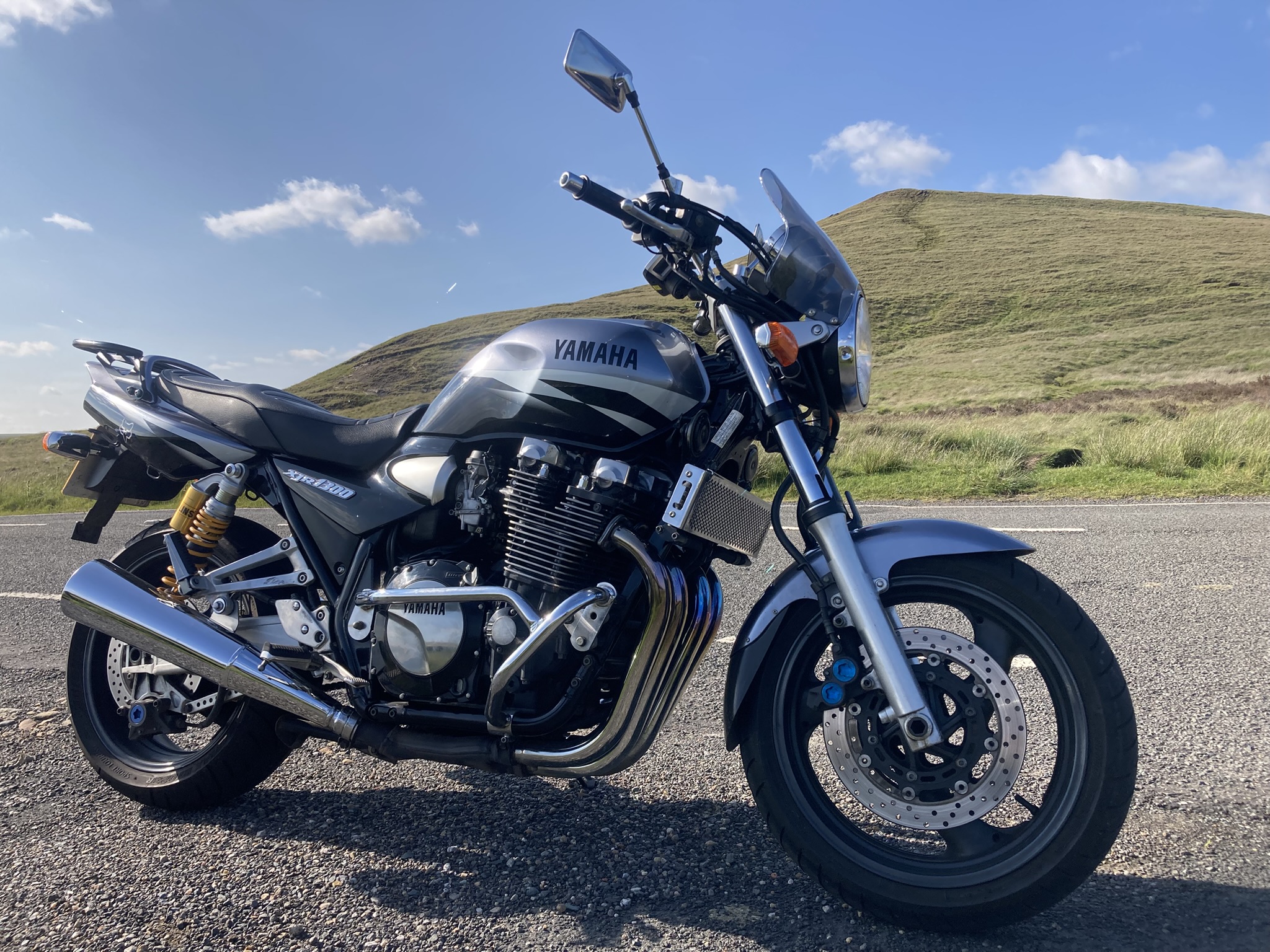
Here, I hit a brick wall. I tried a few places to be told they were too busy to get her fettled in time. So, I took the drastic action of going shopping for a new bike! But what to buy…
Amazingly, Lizzie didn’t put up much resistance and was even prepared to allow the XJR to stay on in the garage as a ‘winter project’!
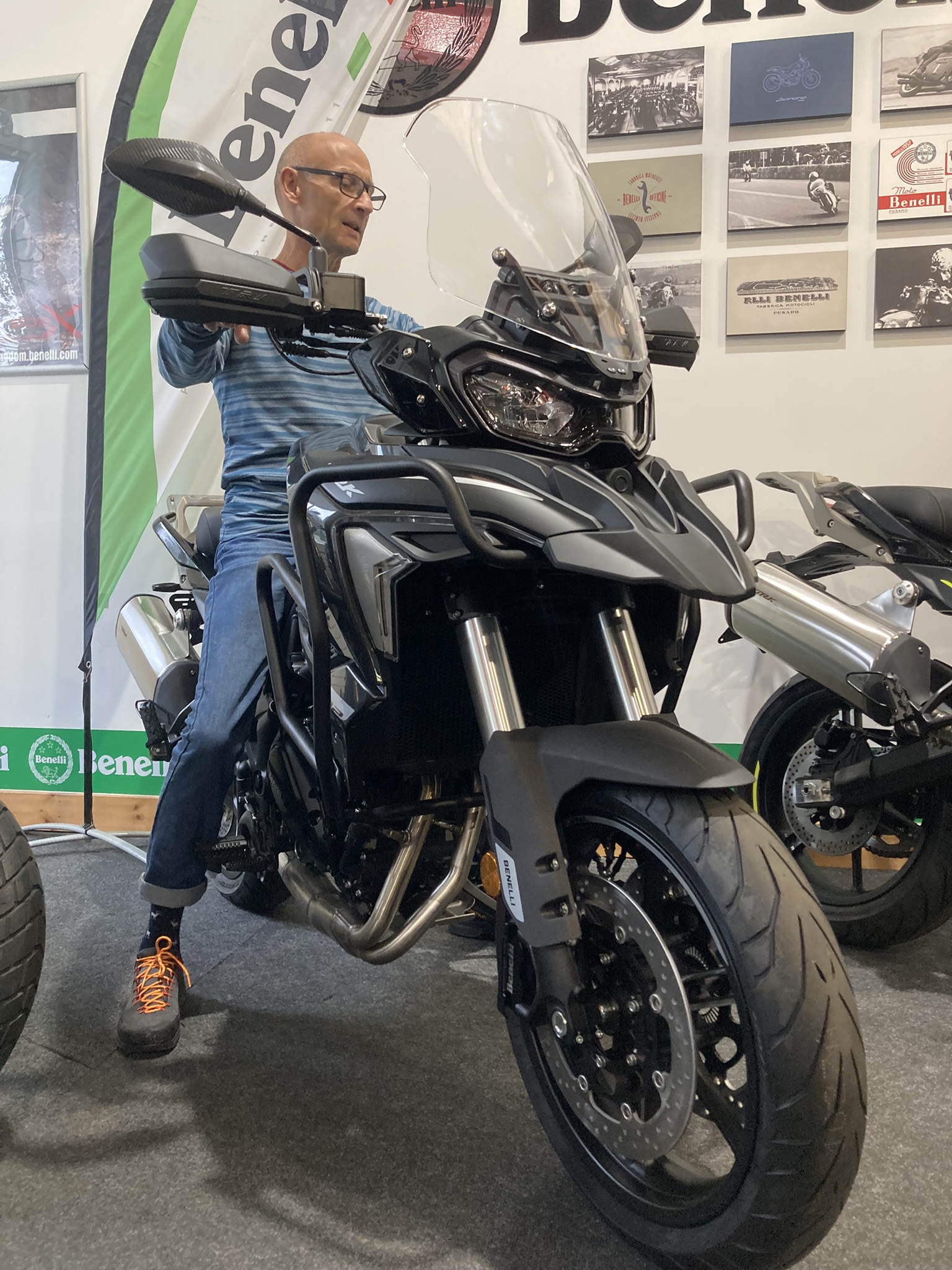
My mate Al was looking for a Triumph Tiger 660 at the time, so we set off to Robinsons in Rochdale where there was a smart used model for sale. While he was checking it out, I noticed adventure style bikes from two brands standing out – Benelli and Voge.
I’d heard of Voge the previous year when I’d checked out a stunning looking 300cc ‘mini’ adventure bike of theirs. Despite the still present stigma of being a Chinese brand, Voge have become massive in the European marketplace, and the quality is now rivalling competitors models.
Back in the day, Benelli were known as a respected if not slightly esoteric brand producing classics such as the exotic 900 Sei, a six-cylinder masterpiece of engineering that I used to drool over as a youth. Ironically, Benelli were acquired by Qianjiang Motorcycles in 2005 who’ve cleverly leveraged the reputation of the brand to market a new generation of Chinese manufactured but Benelli badged bikes.
I was initially attracted by the Voge DS900X over the similar looking Benelli adventure bikes – primarily because of the larger size engine. Stepping down from a 1300cc power plant was going to lose me a lot of low-down grunt and bring in the need for more gear changing.
But the Benelli TRK702X looked sharp, particularly in green, and after sitting on one I kind of forgot about the Voge as the price was even lower and budget was a big consideration.
Now it was time to do some research at home…
First thing though was to get past the whole Chinese motorbike thing and the possible stigma attached. I’d seen plenty of Chinese imports on the road – mainly small commuter types and they generally got poor reviews, even despite their ultra-low prices. But times they are a changing, and nowadays you’d struggle to find a car or motorcycle that didn’t contain Chinese components. Turns out that even BMW turn to Loncin Industries in China (Voge’s owners) to produce engines for some of their bikes, including the F900GS Adventure (pictured below) which shares the Voge DS900X powerplant.
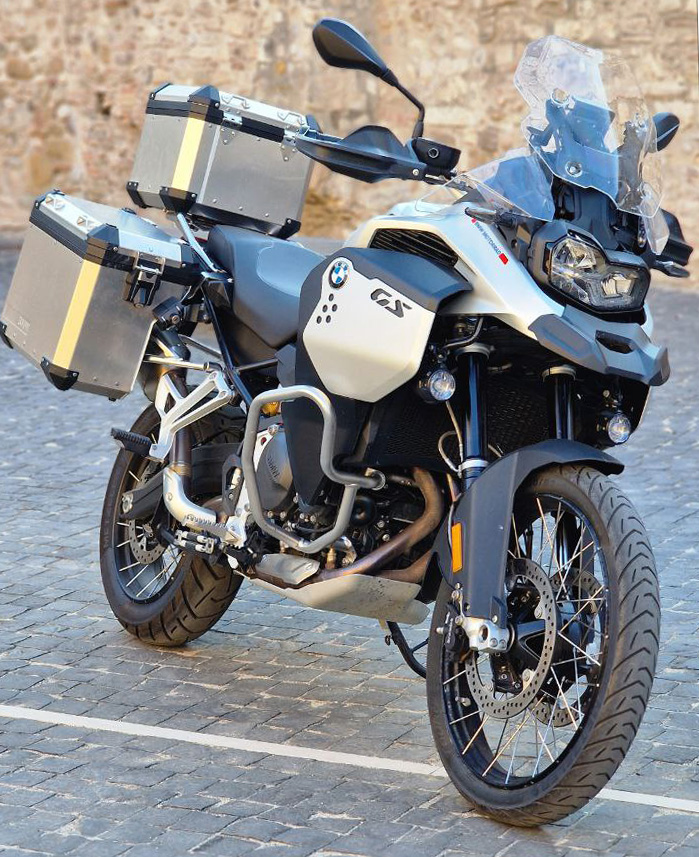
So if it’s good enough for BMW…
Voge and Benelli are both distributed in the UK by MotoGB who also deal in mainstream brands such as Kawasaki, KTM, Suzuki and Yamaha. I started looking at independent reviews of both bikes and they were all positive. The general feeling was that Chinese motorcycle quality is rivalling many of the well-known brands in areas such as engine reliability, frame build and suspension capability. Given the serious undercutting to prices of rival machines, the reviewers pointed out that some peripheral componentry was unsurprisingly cheap and cheerful such as switch gear and the like.
There are literally hundreds of Voge DS900X reviews and shorts on YouTube. Everyone seems to fancy themselves as a reviewer these days. Yep, I realise the irony of that last sentence!
Not one review seemed to have a seriously bad word for the Voge – sure, there were niggles here and there, but the general message was that this was a capable machine and well worth taking a punt on. Although the model’s only been around for a year and long term tests don’t yet exist, one reviewer had commuted through last winter in all weathers and another had done 9,000 miles – neither cited any real problems.
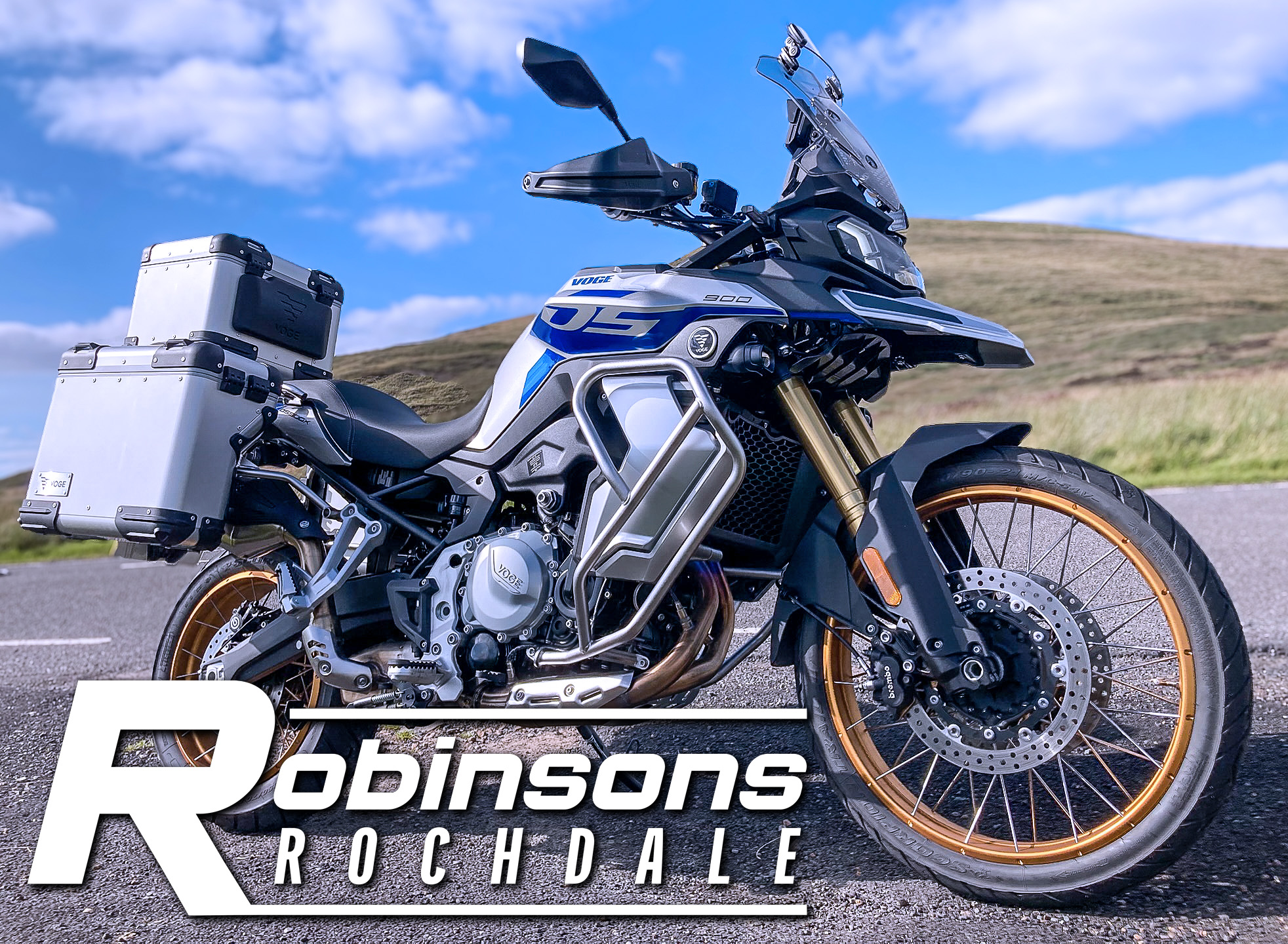
I hit Robinsons again, this time with real intent to buy – only question was which bike? I sat on both and immediately felt that ergonomically, for me at least, it had to be the Voge.
Could one be ordered, run in and first serviced in time for the Long Way Roond trip?
The aptly named Rob at Robinsons went immediately to work and located a bike in my preferred colour and a set of the necessary Voge adventure luggage. At the time, these were as rare as rocking horse dung and he even collected the luggage personally from MotoGB’s Chorley HQ to be sure they’d arrive.
Collection was on July 10th – the LWR was starting on August 23rd. In that time, at least 600 miles needed putting on the clock and the first service done. Sounds easy but I had a fair bit on and early in August, Lizzie, Gyp and I were in a bad car crash. However, before then I’d managed a few runs to the Dales, Peak District and Trough of Bowland. These put the necessary miles on and allowed me to get a feel for the bike along with a couple of bits I’d added.
So, the bike was ready and fettled for the big Scottish trip. Now you want to know how it performed…
The review…
Right from the off, the Voge DS900X felt easy to ride, handled fantastically and was supremely comfortable. I’d been a bit concerned about the weight of the bike – at 235 kilos, she’s no lightweight. But those concerns melted away quickly – as soon as the Voge is moving, the weight isn’t really a thing, and the centre of gravity seems lower than it probably is. Of course, manhandling a big bike takes care and you need to plan how to park for easy rolling forward on exit. This was only a problem after the car accident where sore ribs for several weeks made physical work difficult.
Unusually these days, there are both side and centre stands. When travelling on ferries as we did in Scotland, the crews tend to prefer the bike on the centre stand if fitted and of course it’s super useful for maintenance. It’s been mentioned by some owners that the deployment ‘prong’ for the main stand is obscured by the pillion footrest, so you need to wiggle your foot around to locate it. But it’s only a minor niggle and you soon get used to it.
One criticism I’d heard from reviewers and on forums was related to the engine ‘hunting’ at low revs and a possible misfuelling issue. Hunting makes the bike feel jerky at slower speeds and is apparently more of a problem on larger twin and single cylinder models. Also, as emissions standards have got tighter over the years, many bikes are tuned to run lean at idle revolutions and just above which can cause the snatching sensation that some riders report.
Being fuel injected and having electronic throttle control, there are simple ways to remap the fuelling which many riders have reported as sorting their problem. Others simply said that the issue sorted itself out once more miles were put on the bike.
Coming from a super smooth four pot bike like the XJR1300, I was always going to find a big twin cylinder engine a little ‘agricultural’ and lumpy! However, I soon got used to it but can relate a little to the reports of snatching and jerkiness at slow speeds. I also followed other owners’ advice and performed a simple, two-minute throttle remap (see below) and that seemed to sort things.
Voge DS900X throttle reset*
1. Ensure the kill switch is in the OFF position, and the throttle is fully closed
2. Turn the bike on and wait for the system to load up
3. Ensure the TFT shows Sport riding mode
4. Put the kill switch to the On position but do NOT start the engine
5. Slowly twist the throttle from fully closed to fully open. This should take between 6-8 seconds
6. When fully open hold the throttle there for 20 seconds
7. Slowly start releasing the throttle back to fully closed. This should take between 6-8 seconds
8. When fully closed, release the throttle
9. Turn the bike off
10. Wait minimum 30 seconds before starting the engine
*Information sourced from Voge internet fraternity – follow at your own risk
I’m not certain I’ve ever got on a bike and felt so much at home on it. Maybe I’m that ‘average’ shaped person that the Voge was designed for as everything (excepting maybe switchgear) feels perfectly placed.
The seat height is relatively low for this class of bike at 825mm (32.5 inches) if contrasted with the similar BMW F900GS at 870mm (34.2 inches) and the Africa Twin at 850mm (33.5 inches). There are aftermarket lowering kits available for shorter folk – at five feet ten inches my feet contact the floor easily but with heels slightly raised.
I found the comfort of the seat fine, although not as cushy as the broad perch of the XJR1300. I’ve heard of a few owners who’ve had the foam altered to suit their particular shape and riding style. Satisfaction with the 900’s seat seems to vary according to the shape of your backside and the amount of padding (or not) on it!
So far, I haven’t ridden with a pillion but I’m expecting they’ll be happy with the seat, top box backrest and position of the footpegs. I sat on the back for five minutes and could easily imagine lasting between fuel stops – again, everything’s in the right place.
One thing I did change was the angle of the gear shifter – if you wear boots, (which you should!) then it’s unlikely there’s enough room between peg and shifter for a comfortable gear change. I just moved it up one spline tooth and it’s bang on now.
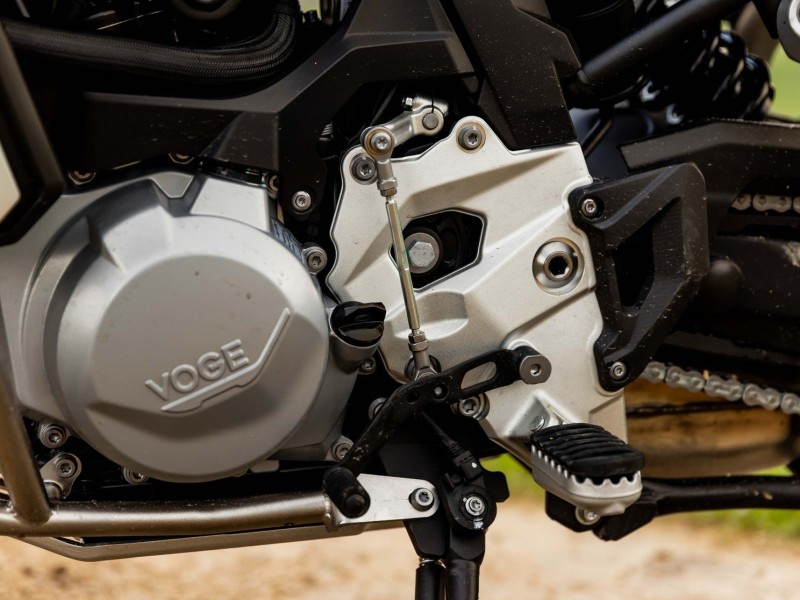
This segues perfectly into the subject of the quick shifter which comes as standard. It’s a bit of kit I could live without, but since it’s there I use it a fair bit! However, it was responsible for initially thinking there was a problem with the bike early on which I’ll now explain…
More than a couple of times when riding in the first three gears at relatively slow speeds, I felt the engine cut out just for an instant. This was merely annoying until the cut out occurred on a steep uphill hairpin bend where I needed the throttle to pick the bike up from leaning in. I almost dropped the Voge and then started fuming. After consulting the normally helpful Facebook owners group page, it transpired I wasn’t the only rider to experience the issue although no-one at the time could offer a remedy or explanation.
It was weeks later that I worked out why the engine was cutting, and it wasn’t a fault as such. When moving slowly or working the way up the gearbox, many riders tend to leave their left foot in contact with the gear lever. The quick shifter is designed to sense that first nudge of the lever and cuts the engine for a split second while you continue to hook the lever upwards to make a clutchless change. The sensitivity is such that the merest contact with the lever will make the engine cut when you least expect and want it. Once I get up to cruising speed, I move my feet back so the balls of the feet rest on the pegs. This is a throwback to faster days when pegs used to ground but is a decent habit to get into anyway. So basically, when upshifting, pull your foot back and away from the shift lever and hey presto, there’ll be no engine cutouts!
The quick shifter only really works smoothly when accelerating rapidly but can make a real difference when overtaking or pulling away in front of closing traffic after a junction. I use it on occasion simply ‘because it’s there’ and it adds to the impressive list of standard equipment.
I admit to previously having doubts about the 21-inch front wheel. It’s so skinny by comparison with previous bikes owned over the last thirty years! But the superb on road handling of the Voge must be experienced to be believed – I honestly couldn’t believe I was on a nine grand Chinese adventure bike…
The excellent KYB suspension is fully tuneable both front and back but unless you’re at extreme ends of the weight spectrum the factory set up seems spot on. I’ve played the game of messing with suspension settings before and really buggered things up! The other nagging doubt I had was about the factory fitted steering damper – aren’t they just to tame an inherently poor handling bike?
That’s not the case with the DS900X at all, the steering is only very lightly damped – it’s just to help prevent any bump induced wobble I think, and it does the job as the steering feels light and superbly neutral at high or low speeds.
The upside down gold anodised front forks don’t seem too mushy when pushed hard on A roads, yet have long and well damped travel to cope with potholes and rough tracks when needed.
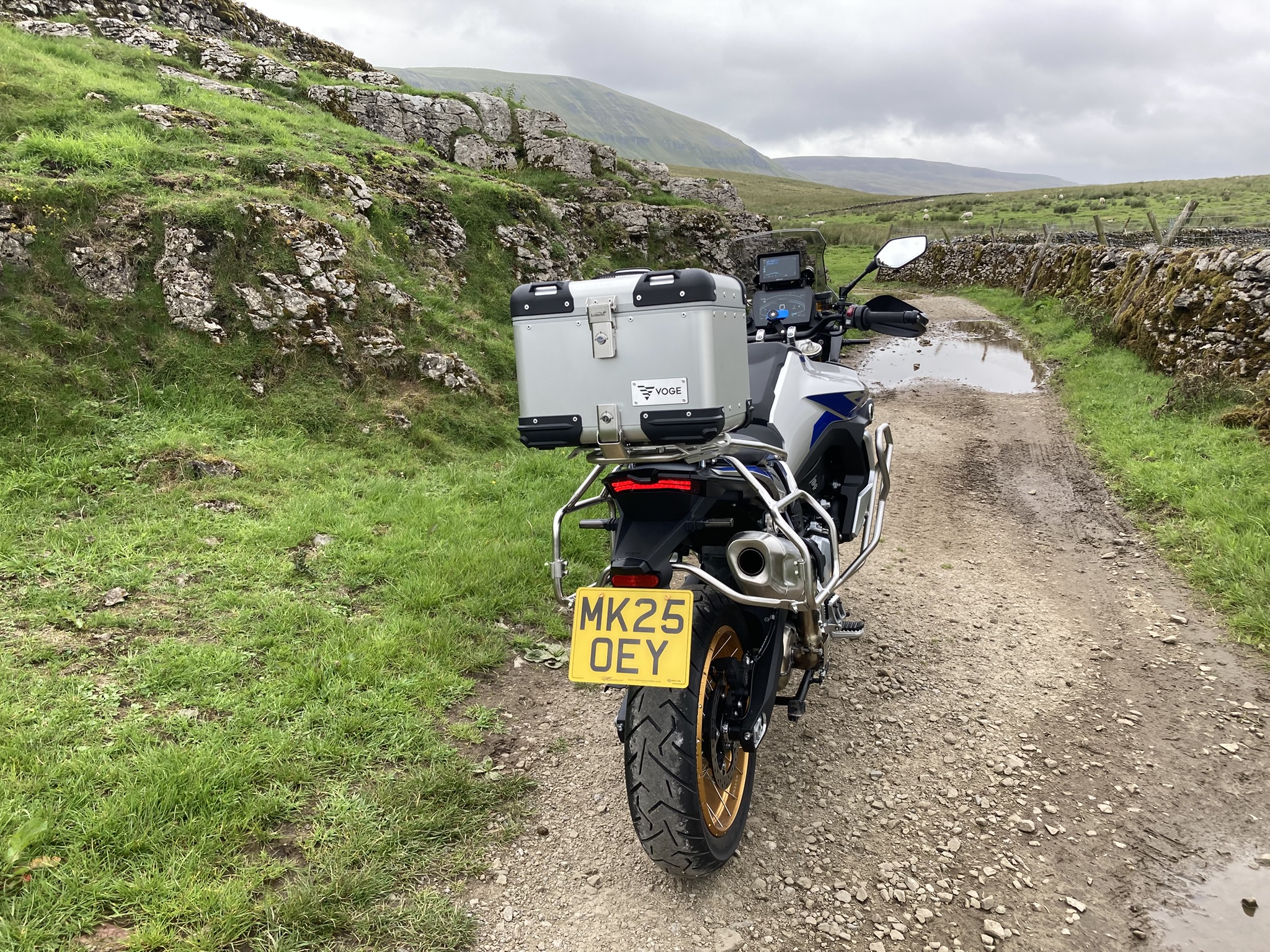
I did take the bike up a few rough tracks – that’s the thing with this motorcycle; it invites you to explore. Because the tyres are primarily road focused, I’d be very cautious about giving it the berries on anything rough, but I got the feeling of serious off road capability given the right rubber boots.
Should you overdo it off road and the inevitable happen, the factory fitted engine bars look like they’ll do a job of fending off any major damage from a slow drop.
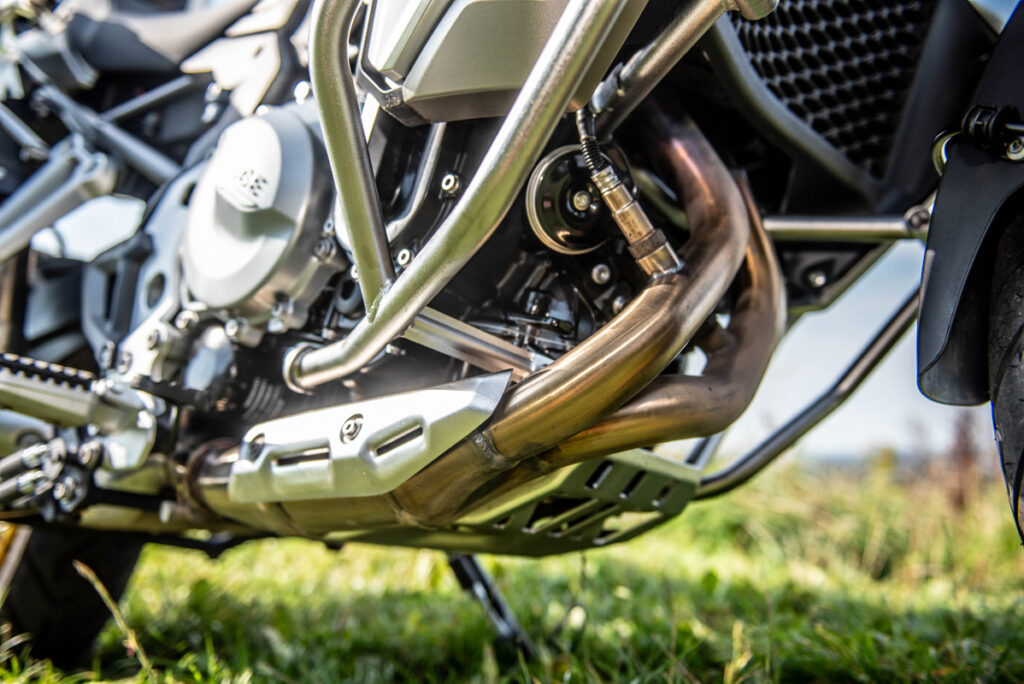
There’s also a reasonably strong looking sump guard fitted as standard – a nod towards the off road capability.
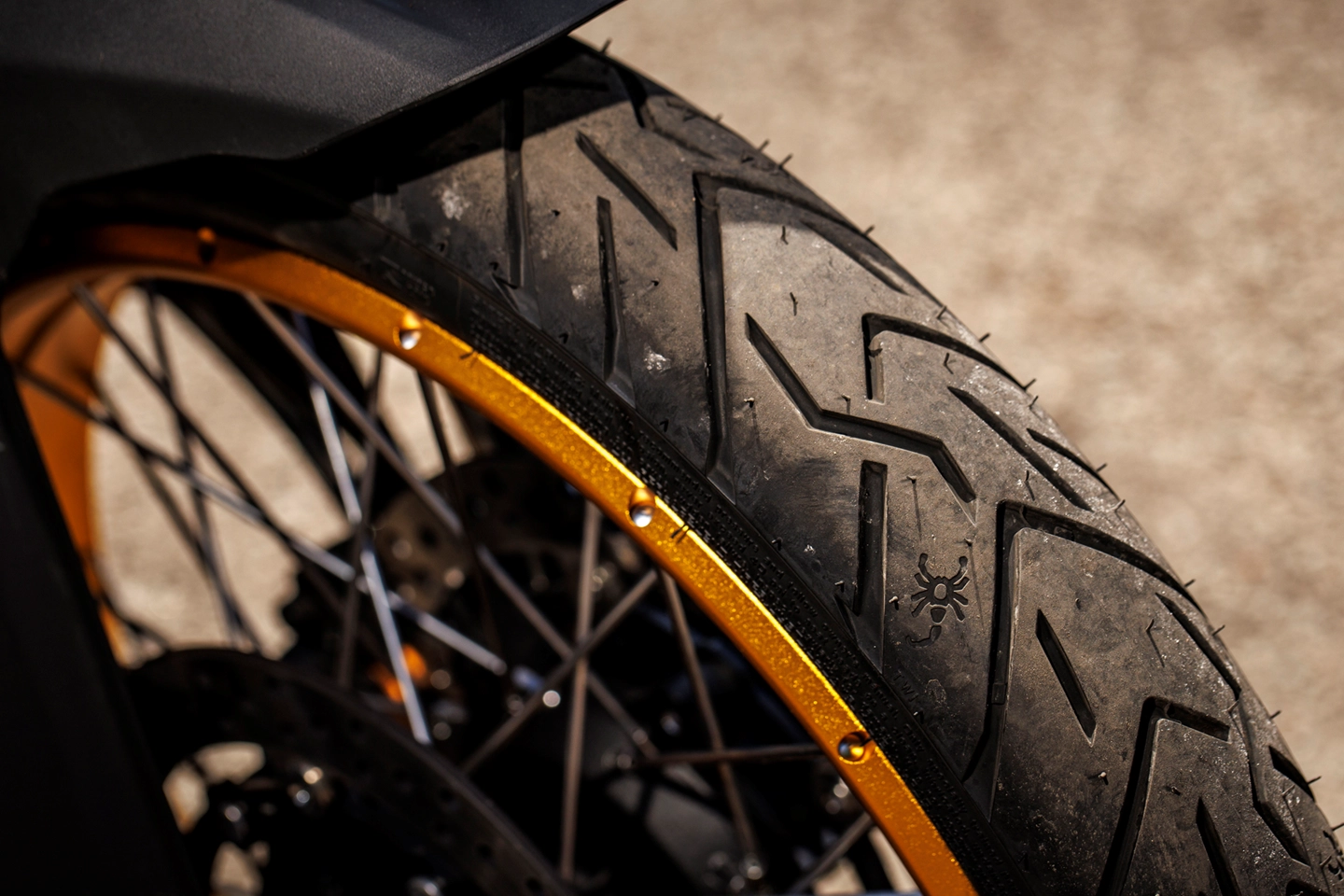
Back on tarmac again, I couldn’t fault the Brembo brakes or Pirelli Scorpion Trail II tyres. The bike also has very effective ABS – on the 2025 model of mine it’s been uprated to 6-axis Bosch cornering ABS which can be switched off in Enduro mode.
Speaking of the electronic traction management, there are four distinct modes. Default is ‘ROAD’ which to be honest, I hardly ever switch away from in everyday use. If you’ve ridden bikes long enough without all the electronic gizmos there’s probably never going to be the need to use ‘RAIN’ mode which just dulls down the power delivery – it’ll feel like an underpowered lump! But new riders or those coming from smaller bikes may well find it a useful transition mode or good for slimy conditions.
I waited till the bike was fully run in before hitting ‘SPORT’ mode. This livens the bike up big style and is most noticeable in the first three gears. To be honest, the bike changes from a sensible bit of touring kit into a feisty wildcat with slightly erratic power delivery and some won’t like it! I’m not totally sure what more I get out of sport mode other than just a feeling of being a bit of a hooligan! But others might feel it suits their riding style better – watch out for those speed cameras…
If you like manually modulating the brakes and no traction control to prevent wheelies then ‘ENDURO’ mode is for you! Technically it’s meant for off roading but some folks are having fun on the tarmac with it. Similar caveat as above – watch out for the law!
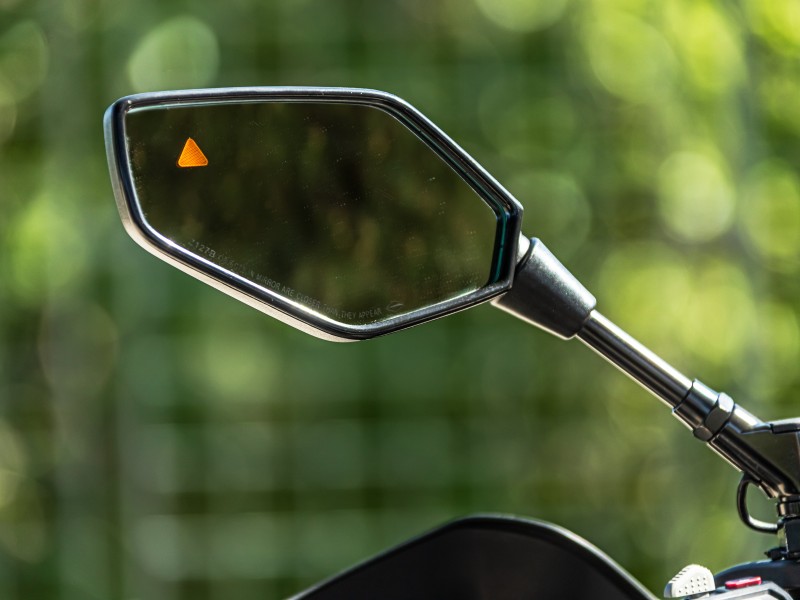
The tech doesn’t end here either as the bike boasts LED lights, screen mirroring for your phone, rear radar, blind spot warning system, built in dash cam, heated grips AND seat, keyless ignition, USB/12V power sockets and cruise control.
Take care with the heated seat, at full power it’s designed to penetrate thick winter riding kit and while fumbling with the switches this summer, I managed to toggle it on by mistake wearing thin jeans and burnt my backside!
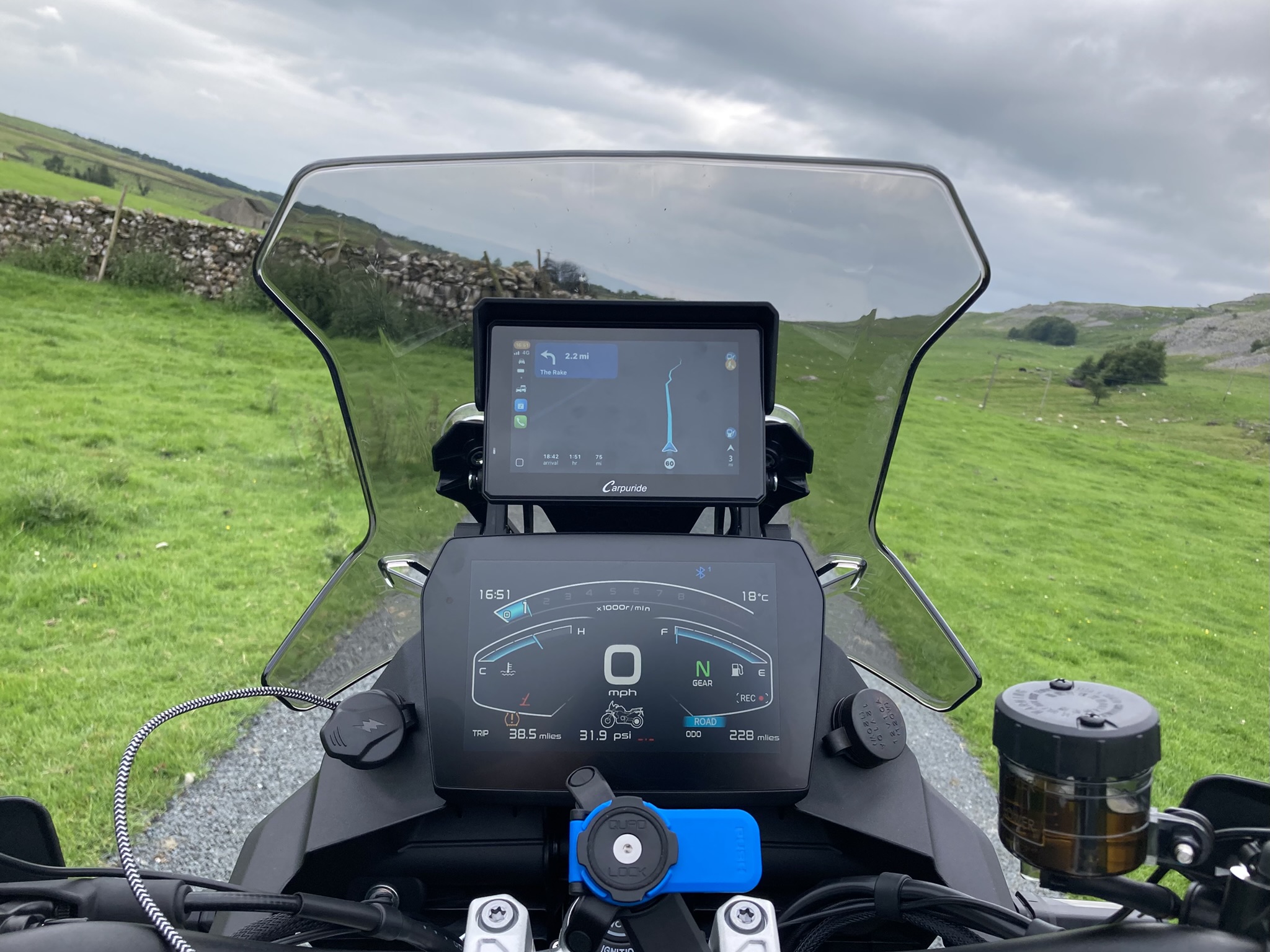
The screen mirroring and dashcam take some setting up when new – be prepared to quiz the excellent Voge DS900X Facebook users group for tricks and tips. Personally, on the screen mirroring front, I think a separate screen is the way to go and have fitted a five inch Carpuride unit which looks almost like a factory fit once wired into the ignition circuit. This provides easy control over input to helmet earphones such as music or phone via Carplay and allows Sat Nav display via your preferred app. I’ve even tweaked TomTom’s screen colours to replicate the main display.
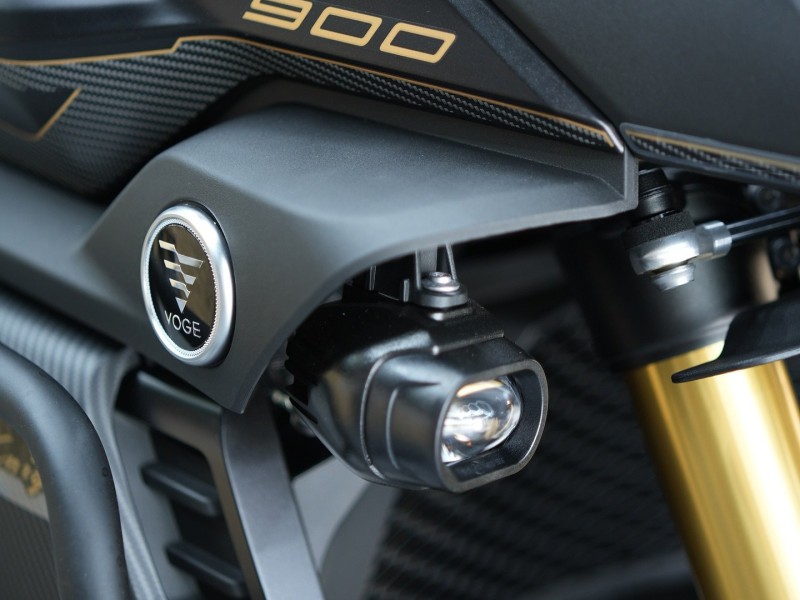
There were only a couple of instances on the LWR where we rode after dark. The headlights are decent rather than spectacular although the two auxiliary spot lights that are mainly meant for poor visibility daytime riding also give useful extra near view vision at night. These proved really useful on a dirt track we rode at night along the banks of Loch Alsh.
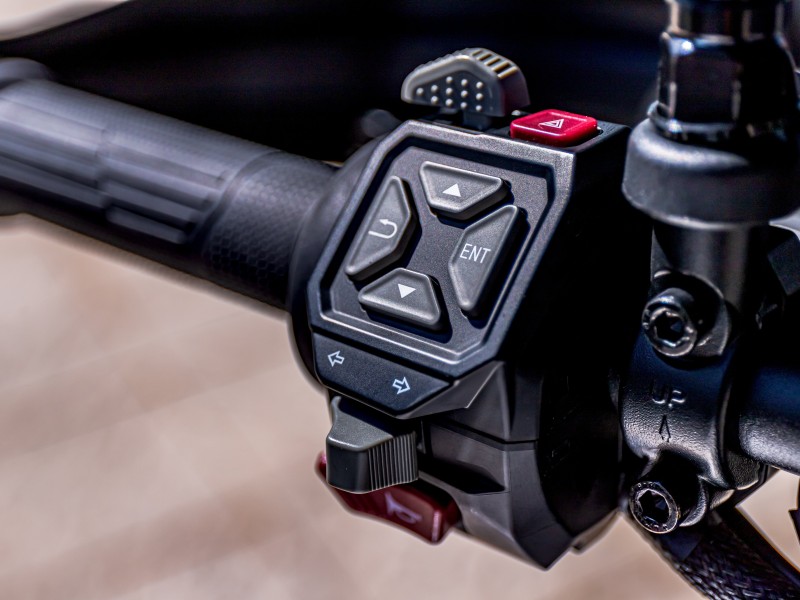
Talking about the lights inevitably brings up the subject of the switchgear. Remember, this a nine grand bike and certain peripheral components reflect that. The ergonomics of the switches is fine, it’s the function that’s a bit naff. On the Yamaha or other Japanese bikes I’ve owned, the handlebar switchgear looks and feels like it’ll probably outlast the machine! The Voge’s switchgear feels a bit flimsy although to be fair, I’ve not experienced or heard of major issues with it. The biggest complaint constantly heard relates to the indicator switch and the cancel function. There’s no tactile feel when cancelling by pressing it in – you need to constantly check the TFT blinker to check they’re off. However, a little known hack sorts this out – operate the indicators by moving the switch in the desired direction as normal and cancel by another move in the SAME direction.
I felt a bit sorry for Andy on his naked Triumph 1200 Speed Twin when we were tanking it on fast roads, because the protection offered by the Voge’s adjustable screen is superb. To make it even better, I added Puig’s Clamp on Extender Visor (277 x 100mm size) which although expensive, is quantum amounts better than the cheap single point items littering Amazon. Dropping the screen to its lowest position for the twisties or tracks means that even with the Puig add-on, the view is good of the immediate road ahead. Raising it for faster A roads and motorways gives such excellent protection that I could frequently ride at speed with visor up and music could still be easily heard.
Another item of protection I’ve never had before are handguards. These shouldn’t be underestimated in both the wet and cold. Together with the excellent standard heated grips, they’ll help keep your mitts dry and warm in dodgy weather. Despite some heavy showers on the LWR trip, while riding above about 20mph, rain was deflected effectively away from the hands.
It’s well worth mentioning the optional and bespoke luggage system that came with this bike. I’ve used soft luggage for the last few European and Irish trips and it’s always been a pain to keep things packed properly and waterproof. The Voge panniers and top box closely resemble the expensive BMW Motorrad system kit and are a discounted bargain add on of £699 to the £8,499 retail price of the bike. They look fantastic to my eyes, are well made and finished – they even come complete with soft, removable liners. For the first time, I wasn’t having to strap stuff over seats or racks and despite using waterproof, rolltop bags as a precaution, they didn’t leak at all. Given we rode through some extreme downpours on the LWR and left the bikes in some exposed places at night, that proves the effectiveness and quality of the seals.
There was enough room for tent, sleeping bag, air mat, cooking kit, food and clothing in the panniers – the top box was used for waterproofs, tools, lock, camera kit and general paraphernalia.
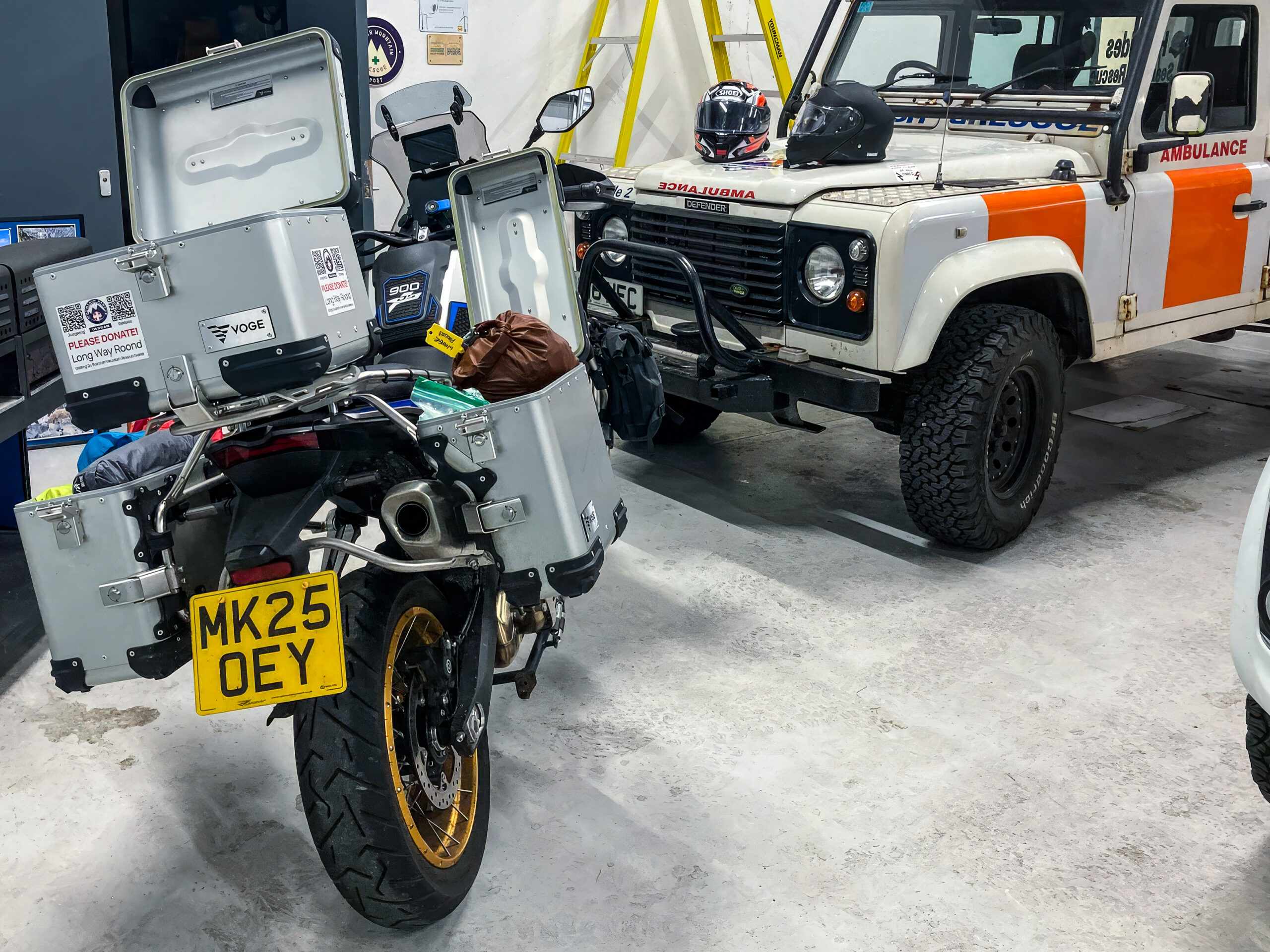
One useful modification was taking a feed from the battery to a fused USB charger which I then wired via a small, sealed hole into the top box to allow secure charging of phone and other items. The aluminium is a substantial thickness and needed a sharp drill bit to make the hole – another sign of the luggage quality. All three pieces detach quickly after unlocking if desired, enabling you to run the bike naked or with just panniers or top box.
The main instruments feature on a large, colour TFT screen which is well designed and very clear to read. The screen and various displays are configured by a cluster of four switches easily reached by the left thumb.
Cruise control is something I’ve never encountered on a motorbike so I was sceptical of it as just another gadget. But trying it on a quiet stretch of motorway changed my mind completely and I’m now a big fan! It’s activated via a simple switch that would be difficult to toggle by mistake, yet is convenient to use.
The Tyre Pressure Monitor System (TPMS) displays well but may not work when you receive the bike. Personally, I think this is one gizmo that should be set up by the dealer – I spent ages trying to get it to play. Shouldn’t put you off too much though – there’s plenty of help on the owners group page.
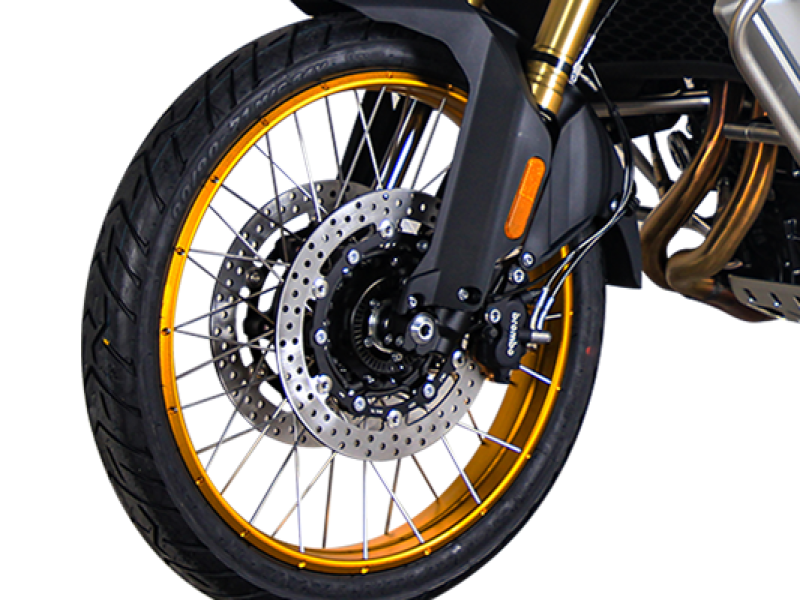
This leads nicely on to the big bonus that the spoked adventure wheels are tubeless, which for a budget bike is unusual. The spokes are the giveaway here, as they lace into the extreme outer edge of the stunning looking gold rims. For touring off grid, this is a big plus as it means a puncture can generally be repaired without removing the wheel and taking the tyre off.
If you do come to grief mechanically, there’s a very basic but indispensable tool kit under the seat. Getting said seat off and refitted is a job in itself – remember to disconnect the heating element wire before removing from the bike. There’s a tiny bit of storage in the tail area for infrequently needed items – I’ve used it to house the USB charger mentioned earlier. The fitted USB and 12 volt ports in the dash are great but will only work when the engine is on.
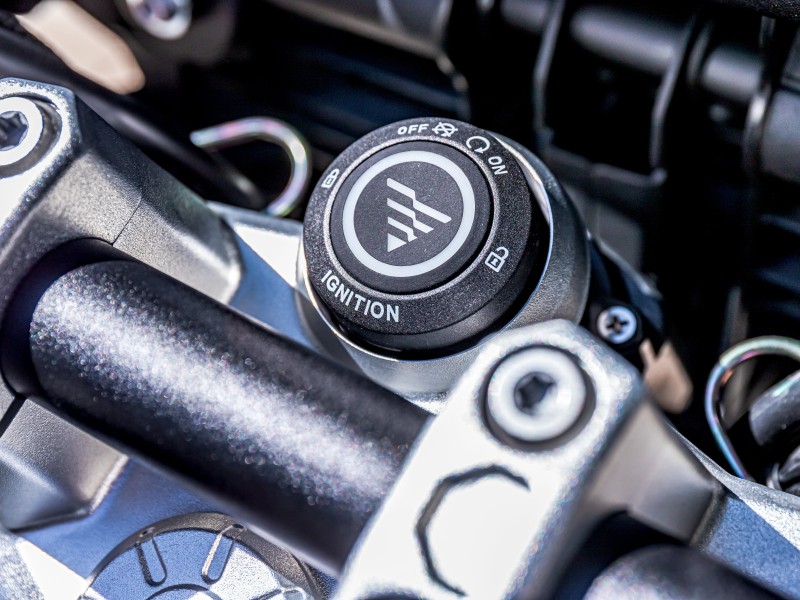
I’ve remarked to a few folk that keyless ignition on a motorcycle is an answer to a problem that doesn’t exist! It adds a big touch of sophistication to the Voge along with the push button steering lock but given you still need to carry a proximity fob AND fuel cap/seat lock key, it kind of misses the point. I’ve always found that the safest place for a motorcycle’s key is in said motorcycle’s ignition!
However, this is a personal viewpoint and I’ve spoken to other owners who really like the feature. I use the excellent Lomo Leg Bag to carry the fob and other small items – what a game changing bit of kit it is!
One thought I’ve had is that in a perfect world, a lower ratio first gear might be nice – particularly for ‘soft roading’. To negotiate slow speed terrain or obstacles, the clutch needs slipping a fair bit. More off road spec bikes can be crawled slowly forwards with the clutch fully out – the left hand can stay firmly on the bars then for control. In Scotland, I rode loads of loose, gravel surfaced roads with hairpin bends on steep upward inclines – I often wanted to change down even though I was already in first gear! To be fair, I hadn’t tried ‘ENDURO’ mode at that time – although it can’t mechanically change the ratios, I realise it would offer more power at lower revs.
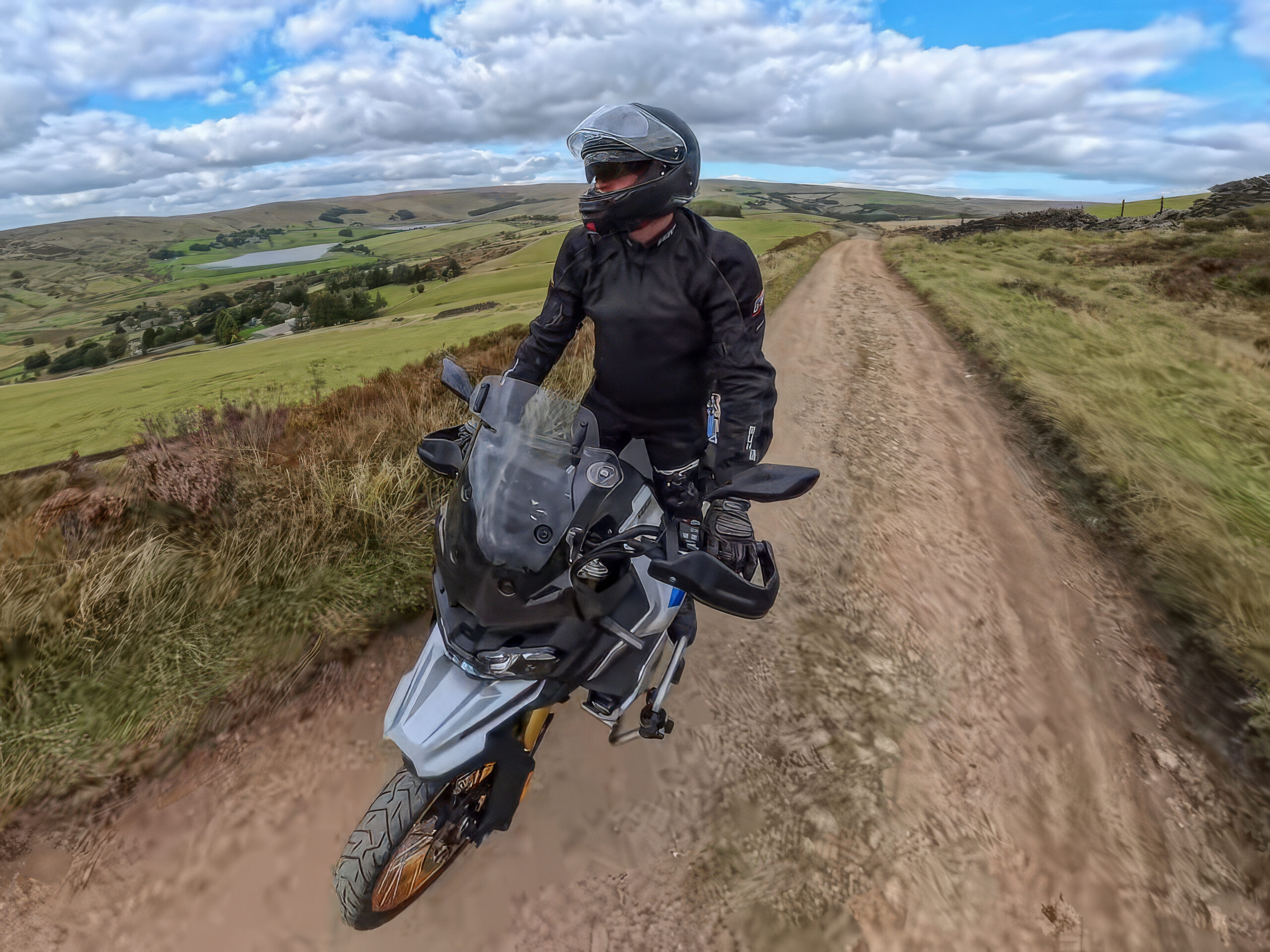
Since getting back from Scotland, I’ve ridden a few local ‘greenish’ lanes and the bike is really competent considering the weight and tyre combo as long as things don’t get too loose or technical.
I eventually and almost inevitably dropped the bike while moving it one day on a driveway. The reason I mention this shameful episode is to illustrate the strength of the crash bars and panniers which took the weight of the bike without any deformation or visible damage. The other surprise was that I lifted it back up way more easily than expected. But that could have been the embarrassment fuelled adrenaline kicking in!
Conclusions…
It’s hard not compare the BMW F900GS Adventure with the Voge DS900X as they’re so similar in spec and share some common parts. I’ve never ridden one but have now seen plenty and while they’re nice, they’d have to be uber-nice to warrant me spending an extra five thousand quid for a similarly equipped version. Yes, the peripheral parts on the Voge may be found wanting a little by comparison with the Beemer, but nothing’s let me down so far in the 2,500 miles I’ve put on her.
I initially thought of the Voge as an entry level large capacity adventure bike but that’s not doing the bike justice. Sure, if I made a habit of hitting dirt roads in Morocco, I’d be saving up the money and getting something more focused and with higher quality peripherals. But for those like me on a budget, a model like this offers the chance to travel to places off limits to a regular road bike and taste the adventure bike life. It’s likely that many of us will limit our exploring to Europe and the UK – for this, the Voge will tick most boxes with ease…
And despite the low price, I still can’t imagine much better road handling on a motorcycle of this size in the adventure bike class. Brakes, suspension and overall ride are a class act and the ergonomics as mentioned before are spot on for me, Mr Average.
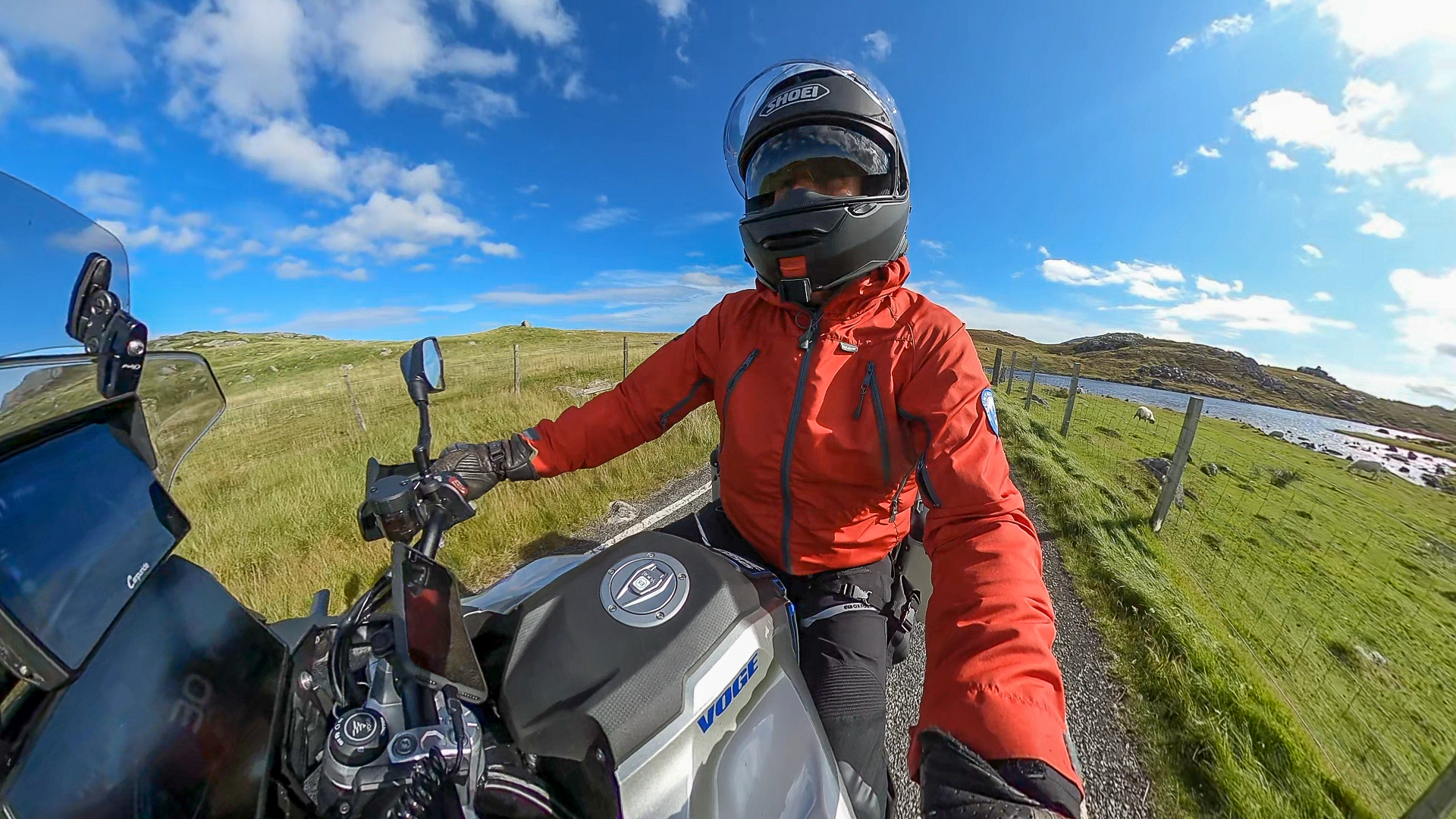
I’ve not really been attracted to other bikes in the time I’ve had my XJR1300 – it still knocks me out with its muscle bike looks. But I prefer the design of the Voge over most other motorcycles in the adventure class. Sure, I still drool a bit over Yamaha’s Tenere 700 and Honda’s Africa Twin but the Yam is too enduro focused and the AT was out of my price range.
There’s been a lot of brand snobbery to overcome in the last few years when it comes to Chinese bikes but my experience is that this is becoming a thing of the past. When Japanese motorcycles started flooding the British market in the late sixties, a similar feeling presented itself and then soon diminished.
The DS900X’s success signals the “coming of age” of certain Chinese motorcycle manufacturers in the UK, as they now produce highly competitive bikes that offer great value.
One thing to consider if thinking of short term ownership would be the likely low resale value. Spending nine grand on a second hand Beemer equivalent might be a smarter move – a year down the line the depreciation would be minimal. But if like me, you keep a bike for years, then that first year’s drop in value won’t be an issue.
I think there are questions still to be answered about the longevity of the bike after more miles and a couple of British winters – I’m already careful to clean and lube mine after a ride in the wet. But I hear of motorcycles twice the price that have suffered cosmetically with rusty components – often they’ve just had a hard or ungaraged life. I’m in the fortunate position of not needing to commute or ride in the winter – if I did, then I’d probably be using a cheap, second hand smaller bike anyway. And on recommendation from many in the adventure bike fraternity, I’ve taken to applying ACF-50 to any vulnerable areas that might be prone to rust.
What is ACF-50?
ACF-50 is an anti-corrosion and lubricant compound, originally developed for the aerospace industry, that actively penetrates corrosion deposits to lift and neutralise existing corrosion while providing a protective, ultra-thin fluid film barrier against future moisture and corrosion. It is safe for all metals and electrical systems but should not be applied to brakes or tyres. The compound is effective for up to a year, works by emulsifying and encapsulating electrolytes, and is widely used on vehicles, especially motorcycles, to protect against environmental damage
*Information sourced from Google AI
All my itches have been well scratched by the Voge and despite only 2,500 miles of riding, the Scottish trip alone has tested her thoroughly in all manner of weather and terrain. The bike has also reinvigorated my motorcycling and the spirit of exploration I used to have in the early years.
Long may that last…
Or keep reading for brief overview and specifications…
The GREAT!
- That crazy price!
- Great handling on all surfaces
- Brembo brakes with ABS
- BMW F900GS equivalent engine
- Quality, adjustable suspension
- Excellent wind protection from screen
- The sharp looks
- Masses of ‘extras’ as standard
- A fantastic luggage system – if fitted
- Bright, well designed TFT display
- Tons of technology
- Innovative safety features.
The NIGGLES
Nothing here that should put you off buying one though…
- The (understandable) budget quality of a few peripheral components
- Hunting and snatching at low revs (way better after an easy two minute throttle remap and more miles)
- First gear a bit tall for slow speed or off road riding
- Headlight (full beam) switch is easy to inadvertently operate
- Centre stand prong obscured by pillion footpeg
- Seat difficult to remove and replace
- Slight lack of finesse when compared to more expensive Japanese and German equivalents.
The SPECIFICATION
- Engine – 895cc parallel twin
- Maximum power output 95 BHP
- Maximum torque 95 Nm
- Dry weight 235 kg
- Seat height 825mm
- Fully adjustable KYB suspension
- Keyless ignition with key locking fuel cap
- Bi-directional Quick Shifter
- Brembo brakes
- Bosch 6-axis cornering ABS
- Scorpion Trail II tubeless tyres 90/90R21 (F) & 150/70R17 (R)
- Tyre pressure monitoring system (TPMS)
- LED lights
- Traction control
- Front dashcam with automatic onboard recording
- Handguards
- Heated grips and seat
- Main AND side stands
- Engine protection bars
- Keyless ignition
- 7″ full colour TFT instrument display
- Built in Carbit Ride screen mirroring
- USB and 12V power sockets
- Cruise control
- Rear radar and blind spot detection
- Three piece aluminium luggage (£699 extra).